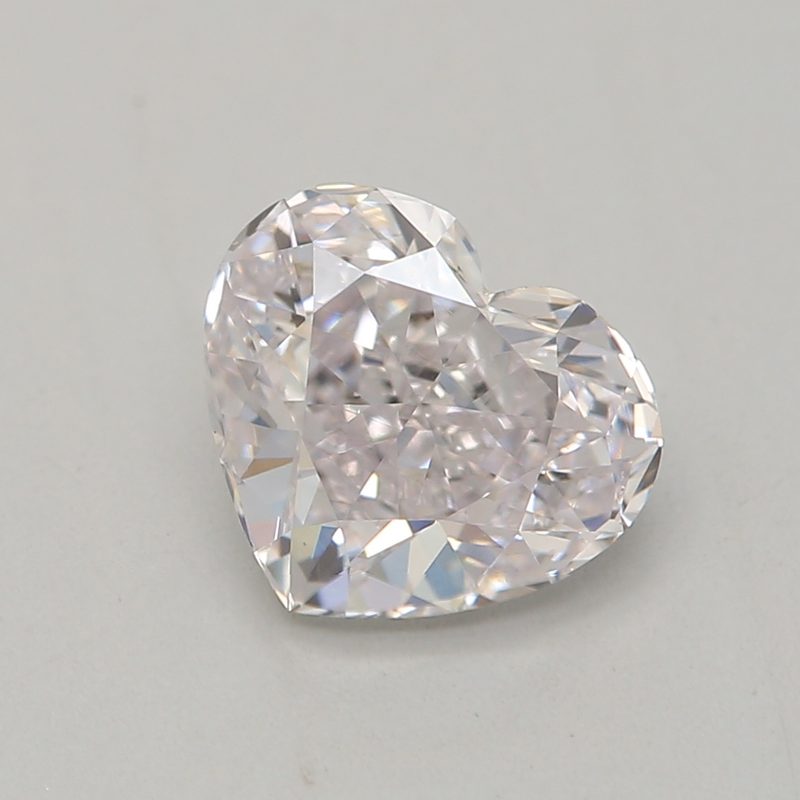
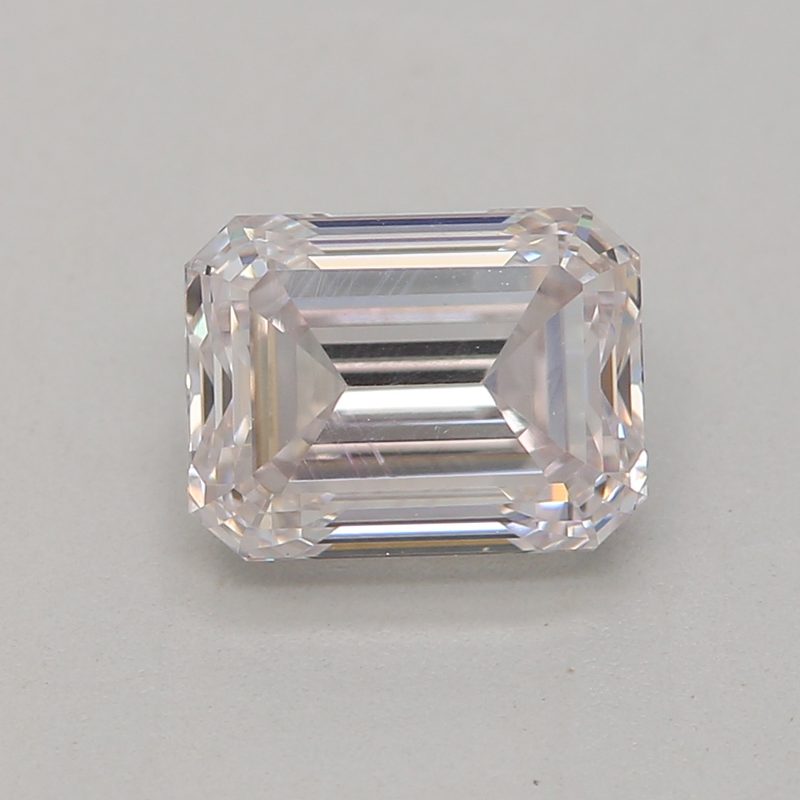
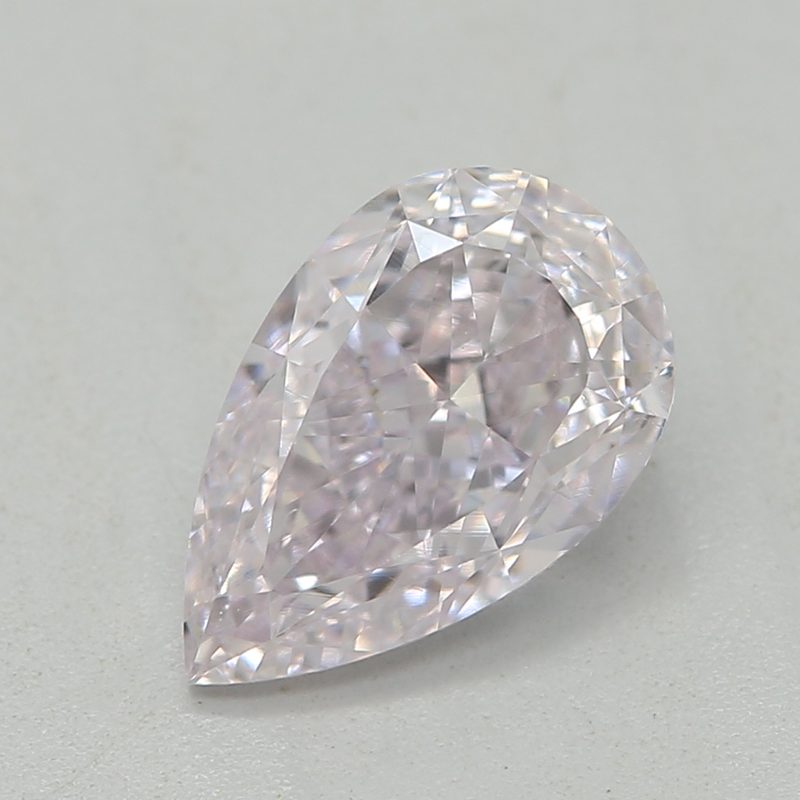
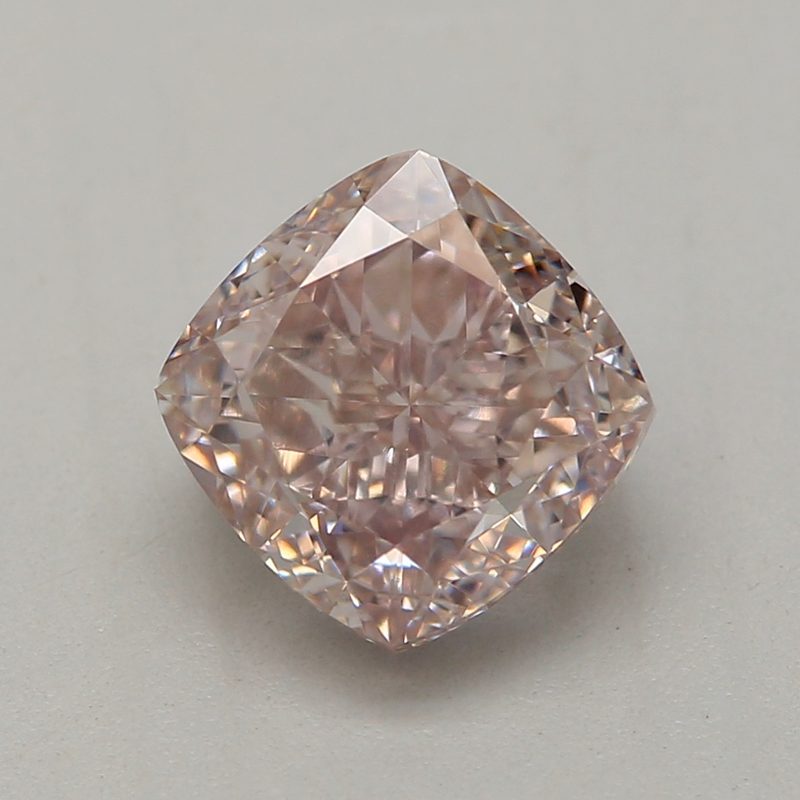
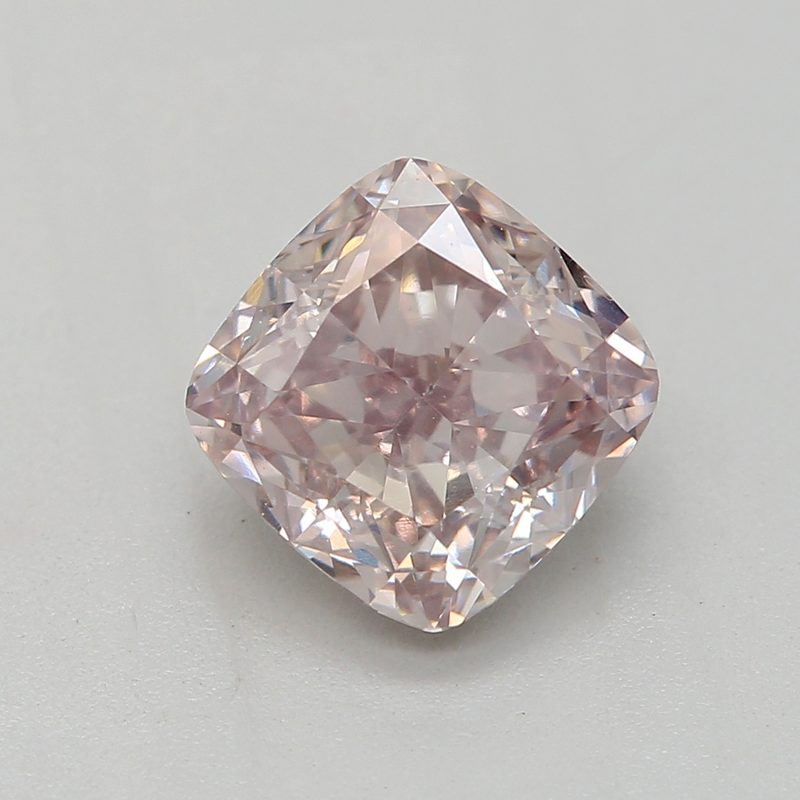
Pink is the color most collectors ask for and the one the earth produced least of — and with the Argyle mine closed, nothing is replacing what the market holds.
By intensity, on a scale running Faint, Very Light, Light, Fancy Light, Fancy, Fancy Intense, Fancy Vivid and Fancy Deep. The grade describes how saturated the color is, and it is the single largest factor in the price — far more than carat weight or clarity.
What does a secondary hue mean in a pink diamond?
Most pinks are not purely pink. A report may read purplish pink, brownish pink or orangy pink, naming the modifying color before the dominant one. Purplish pink is generally the most sought after; brown modifiers usually reduce the price. A stone graded simply "Fancy Pink" with no modifier is unusual and commands a premium.
Why are pink diamonds so expensive?
Extreme scarcity. Pink diamonds occur through a rare distortion in the crystal lattice rather than a chemical impurity, and the Argyle mine in Australia — which produced the overwhelming majority of the world's pinks — closed in 2020. Supply is now limited to what already exists in the market.
Does clarity matter in a pink diamond?
Much less than in a white diamond. Color dominates what you see, and buyers accept SI and even I-grade inclusions in a pink that would be unacceptable in a colorless stone. Color intensity is where the value sits.
Which cuts suit pink diamonds best?
Radiant and cushion, overwhelmingly. Both use brilliant faceting that reflects light back through the body of the stone and deepens the apparent color. The same rough cut as a step cut would present noticeably paler.
Are pink diamonds a good investment?
Argyle-era pinks have appreciated significantly, and closure of the mine removed the main source of supply. That said, a diamond is an illiquid asset sold into a specialist market — it should be bought because you want the stone, with any appreciation treated as a possibility rather than a plan.
How can I tell a natural pink from a treated one?
Only a laboratory report can tell you reliably. Treated pinks exist and are legitimate stones at a fraction of the price, but they must be disclosed. Any natural pink of consequence should carry a report from a recognized laboratory stating the color origin as natural.
See new stones first
Every stone is photographed and graded before it is listed. Join the list to see them before they reach the shop.
New stones only, no more than once a month. Unsubscribe any time.