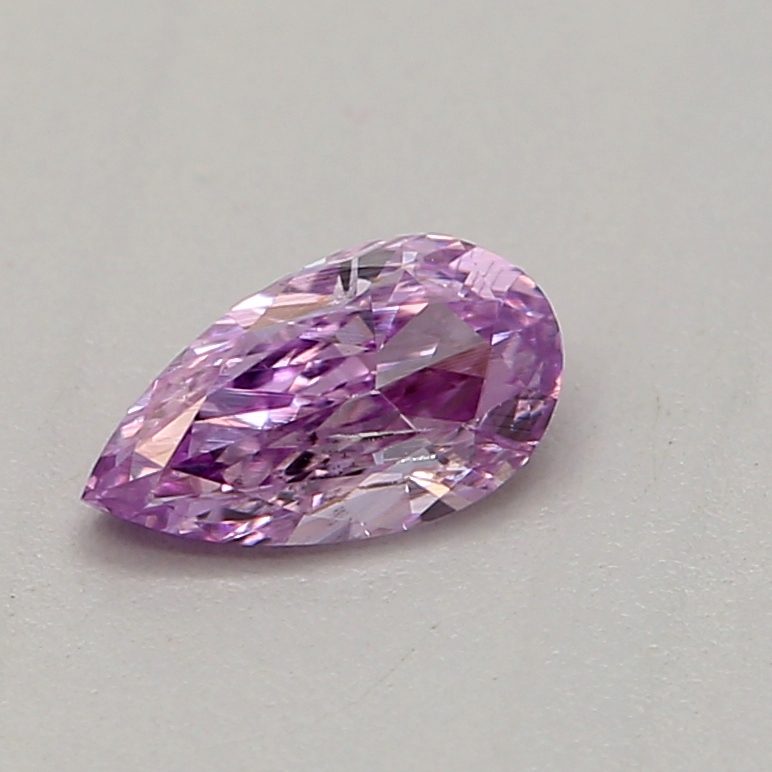
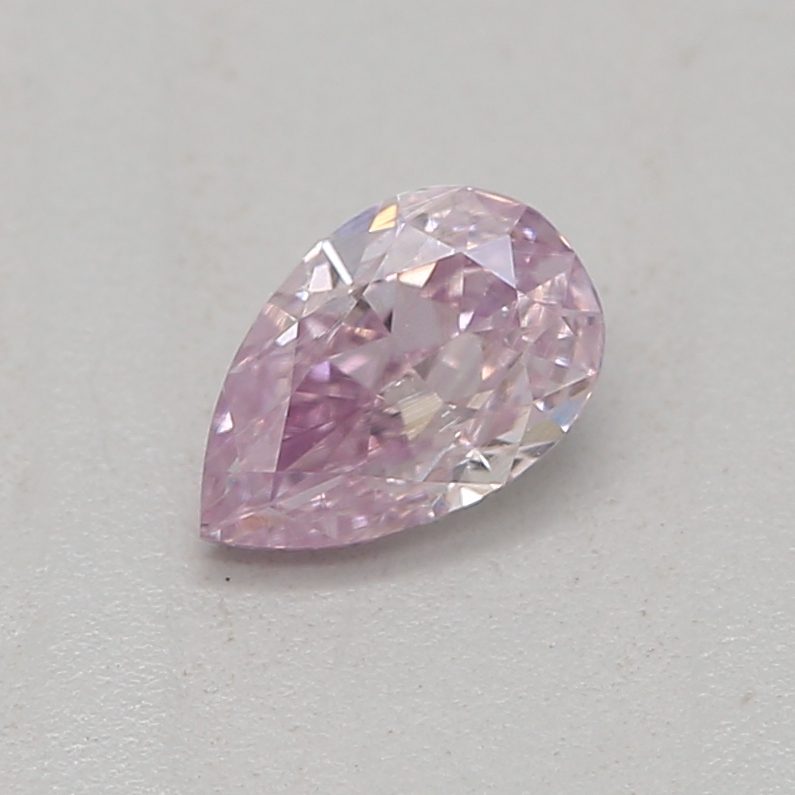
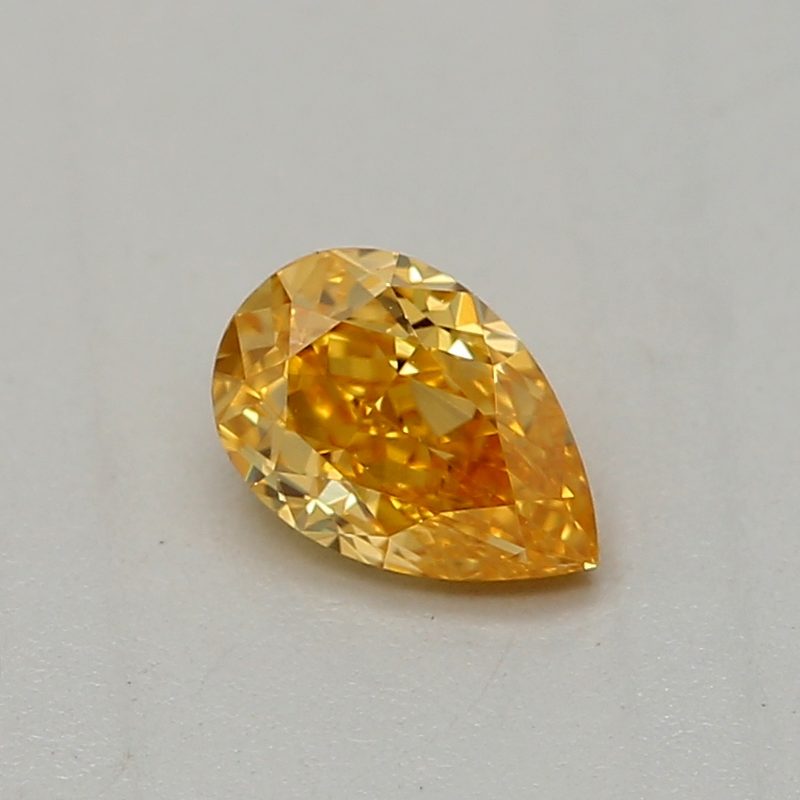
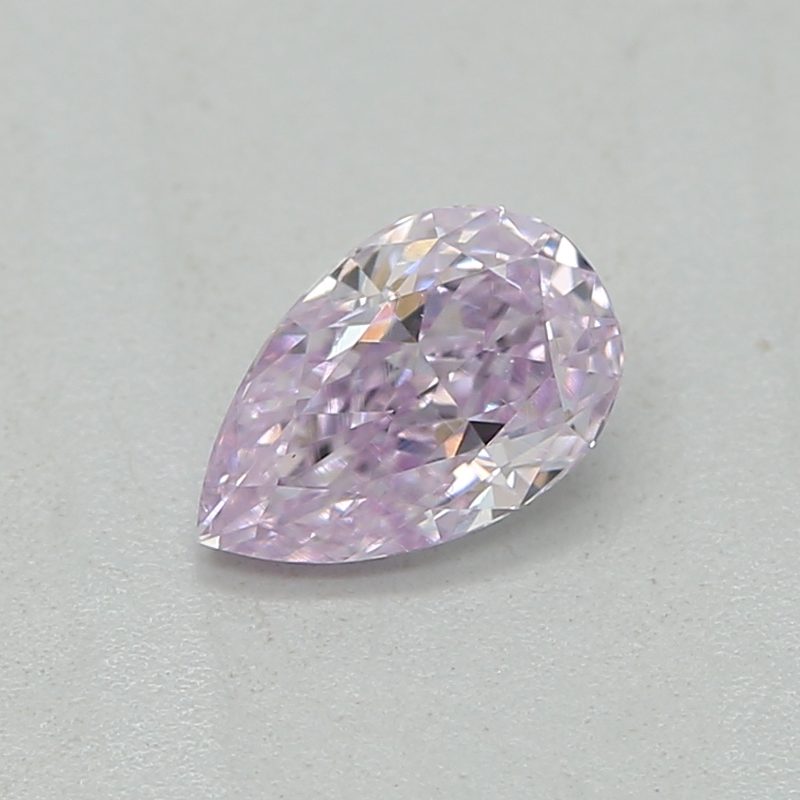
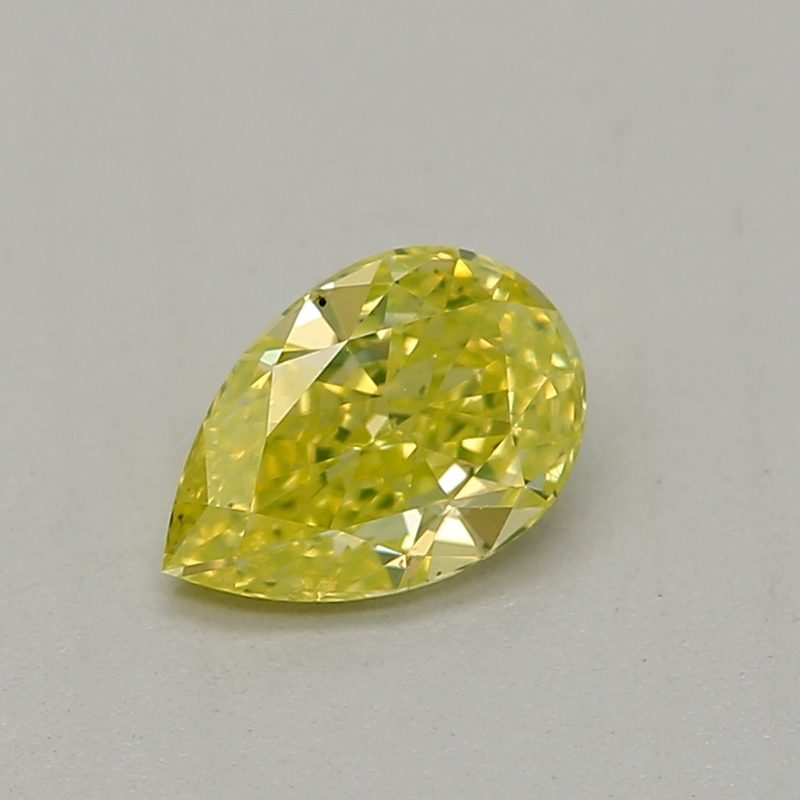
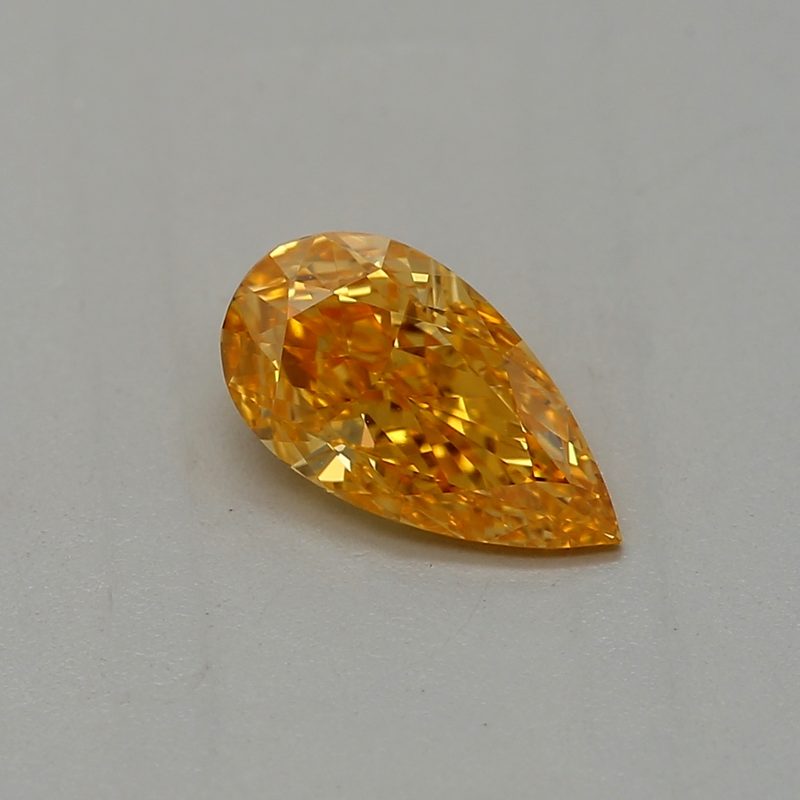
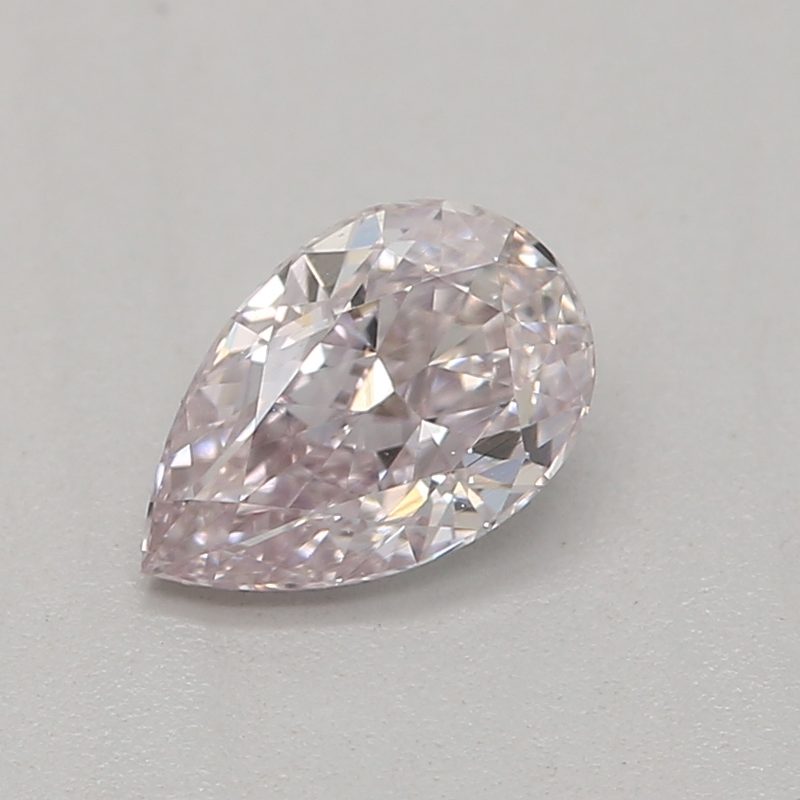
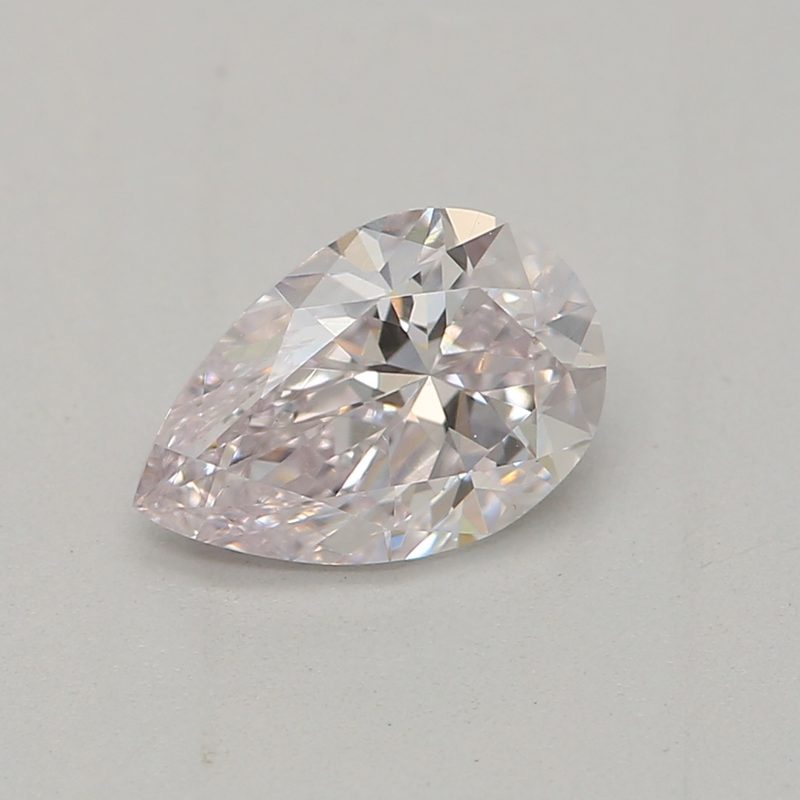
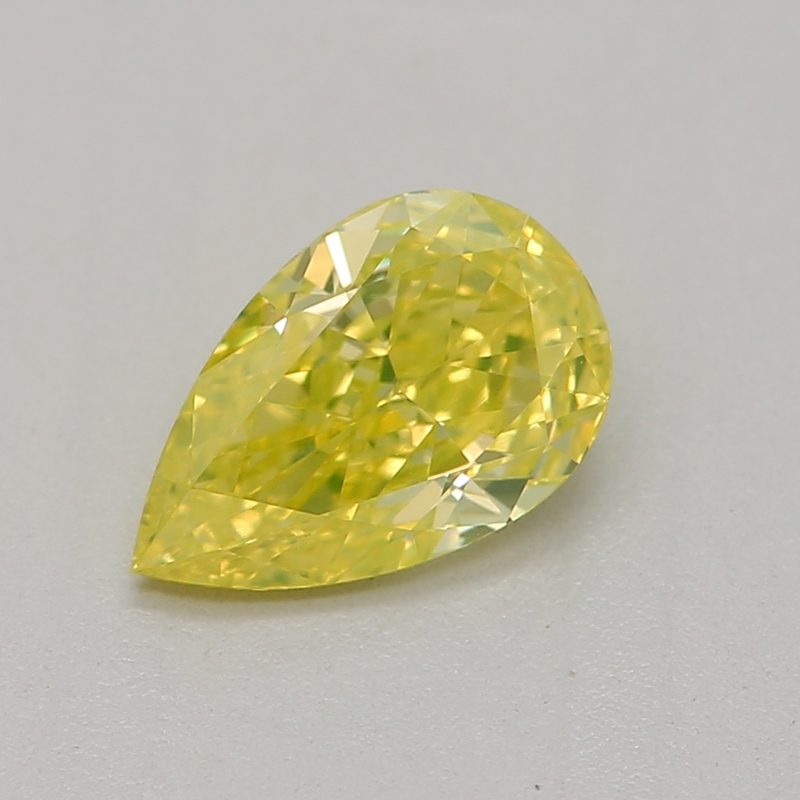
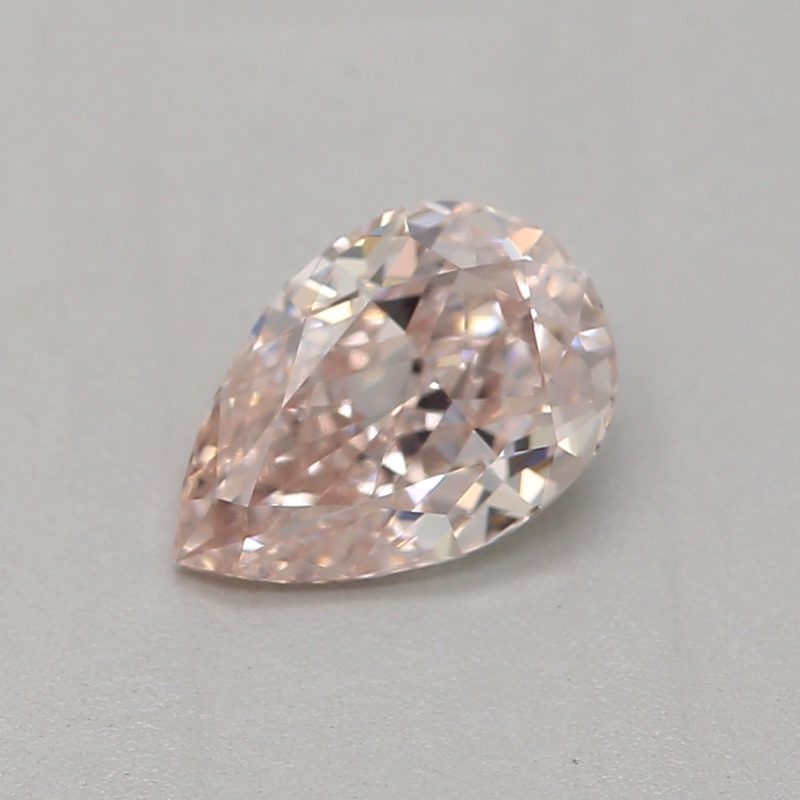
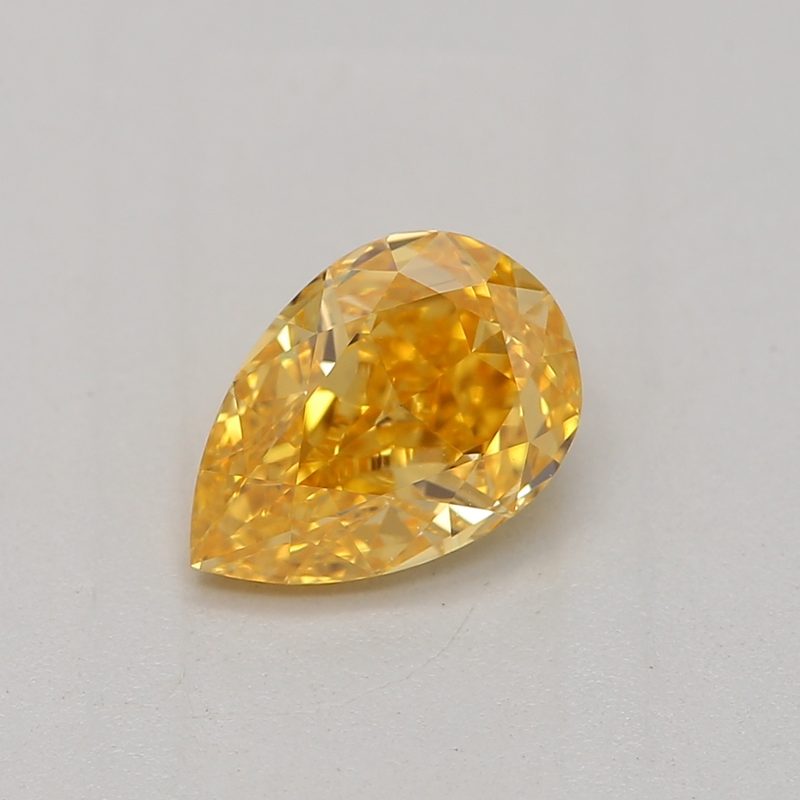
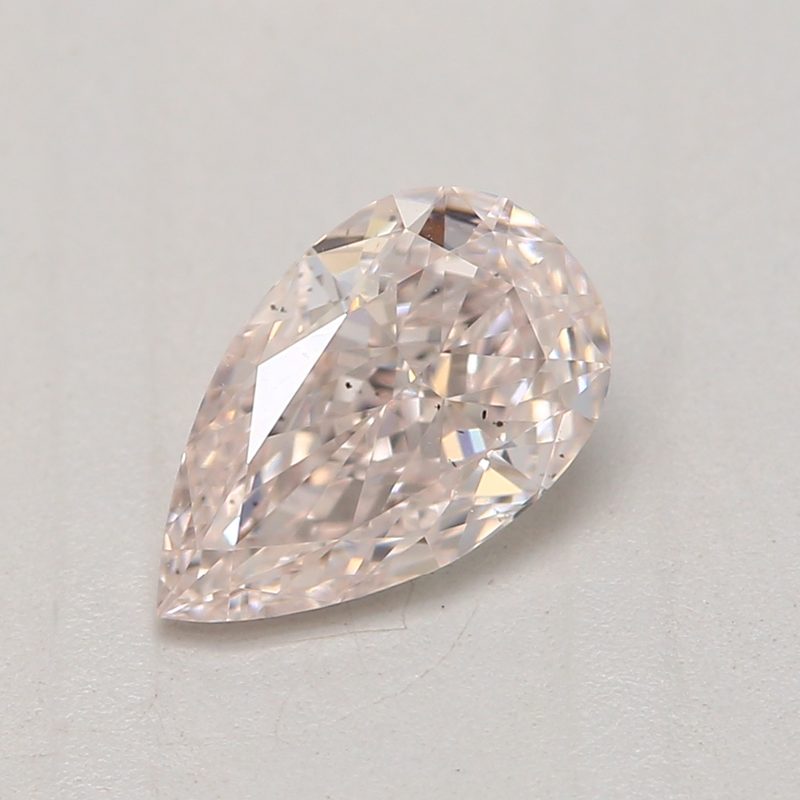
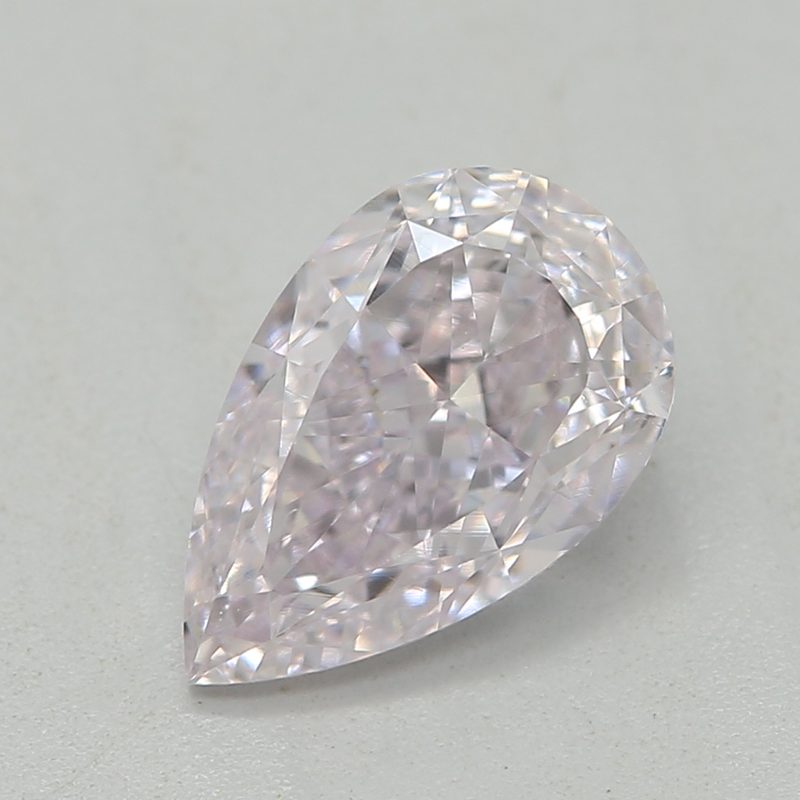
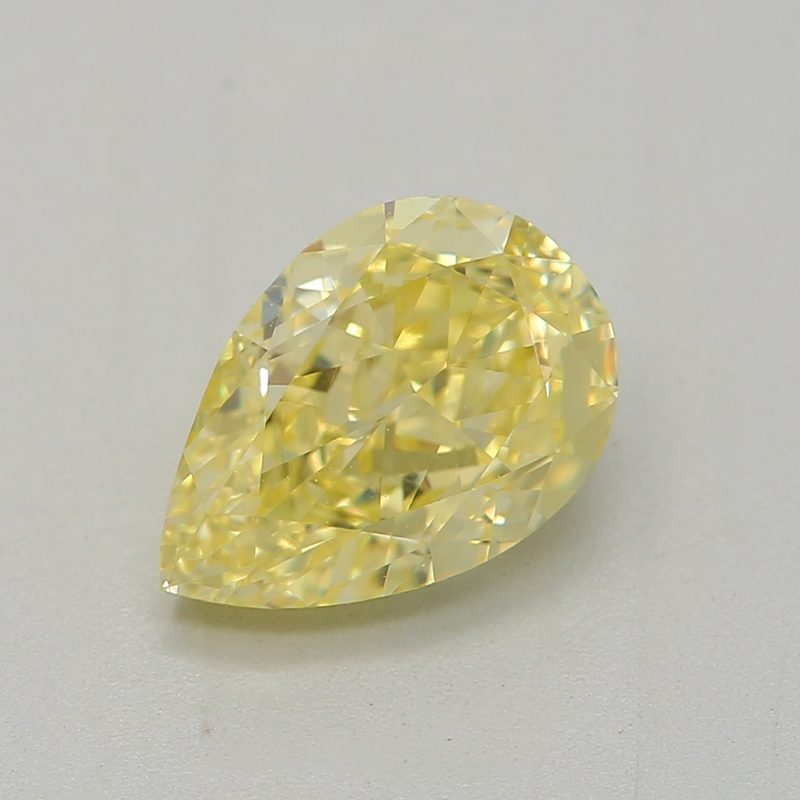
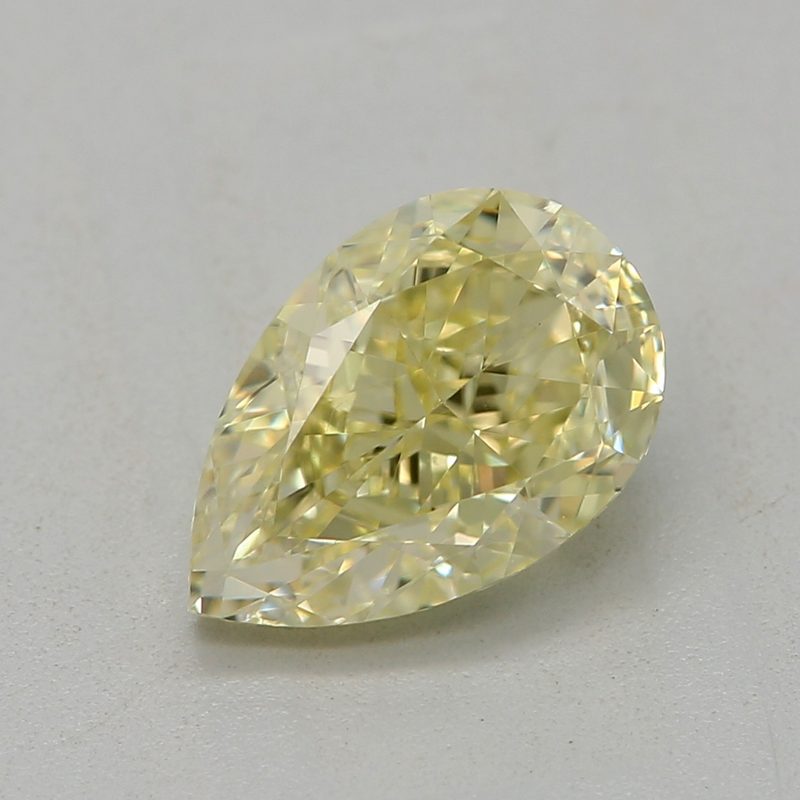
A pear is a round brilliant at one end and a point at the other, and the quality of a pear is decided almost entirely by how well the cutter balanced the two.
What should I check first on a pear shaped diamond?
The point. It should sit exactly on the centre line of the stone, and it should not be so thin that it is fragile or so rounded that the shape loses definition. An off-centre point is the most common fault in a pear and no setting can disguise it.
Do pear shapes have a bow-tie?
Yes, across the widest part of the stone. As with ovals and marquises, a faint one is normal and a heavy one is a permanent dark band. It is not on any grading report, so judge it on video or in the hand.
What length-to-width ratio suits a pear?
Between 1.45 and 1.75 for a classic look. Shorter reads fuller and rounder; longer reads more dramatic and slender. Below about 1.40 a pear starts to look squat, and above 1.80 the point becomes vulnerable.
How should a pear be protected in a setting?
With a V-prong over the point. That single detail is the difference between a stone that survives daily wear and one that chips. The rest of the outline is robust; the tip is not.
Should the shoulders of a pear be rounded or flat?
Gently rounded and even on both sides. Flat or high shoulders make the stone look angular and unbalanced, and the fault is immediately visible once the stone is set, even to someone who could not name what is wrong.
Which way should a pear point in a ring?
Conventionally toward the wearer's fingertip, which lengthens the finger. Worn the other way it reads as deliberate and modern. Both are correct; it is worth trying before the setting is made, because it cannot be changed afterwards.
See new stones first
Every stone is photographed and graded before it is listed. Join the list to see them before they reach the shop.
New stones only, no more than once a month. Unsubscribe any time.