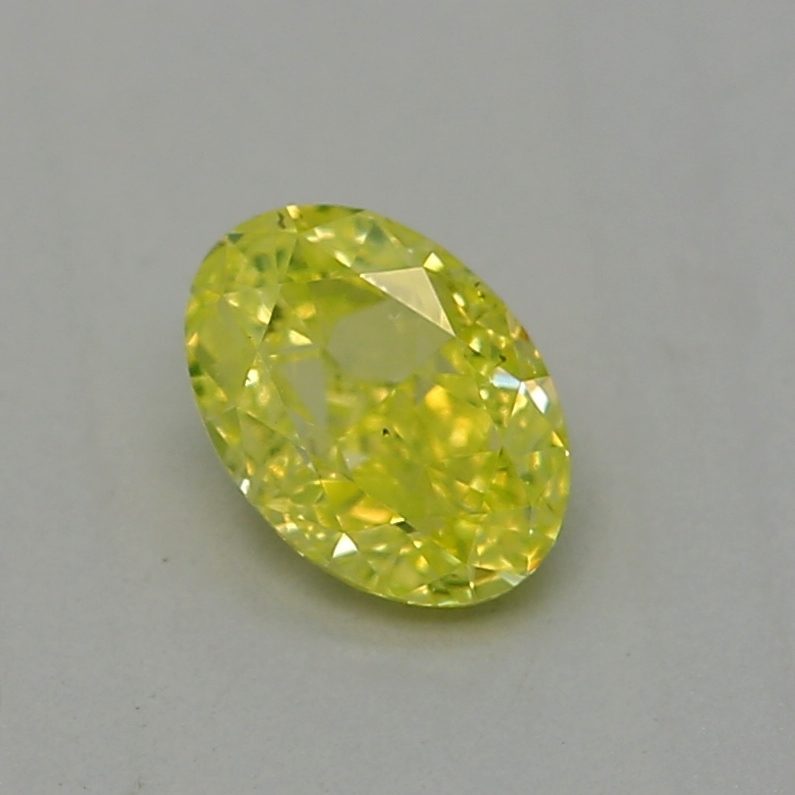
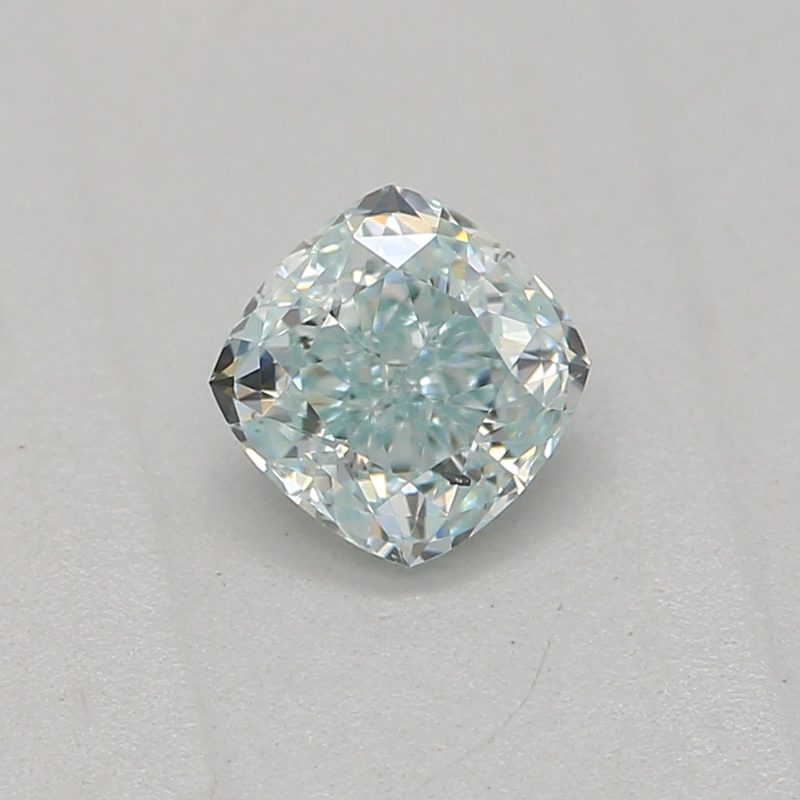
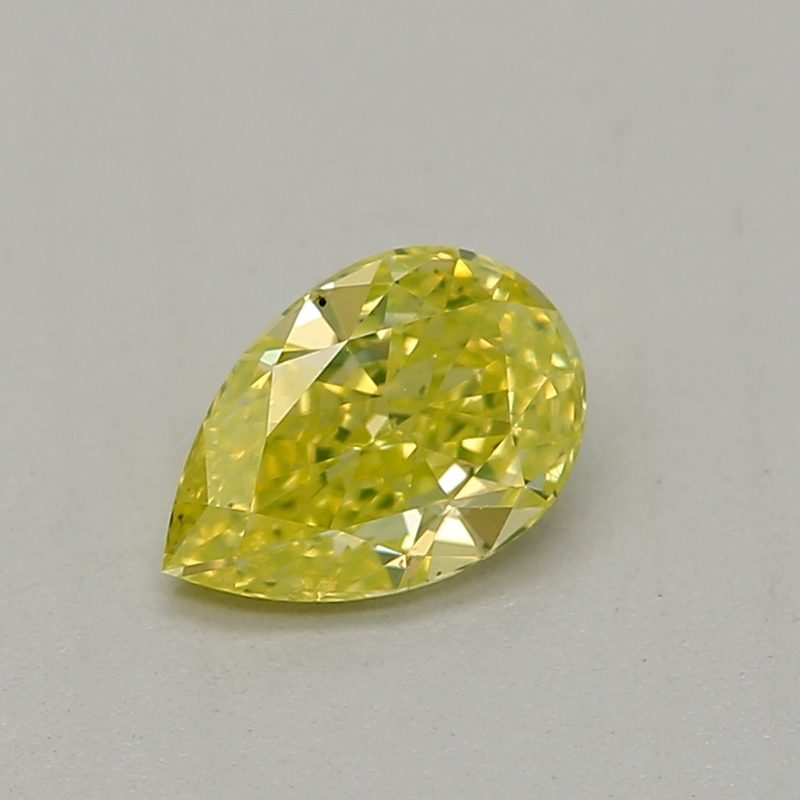
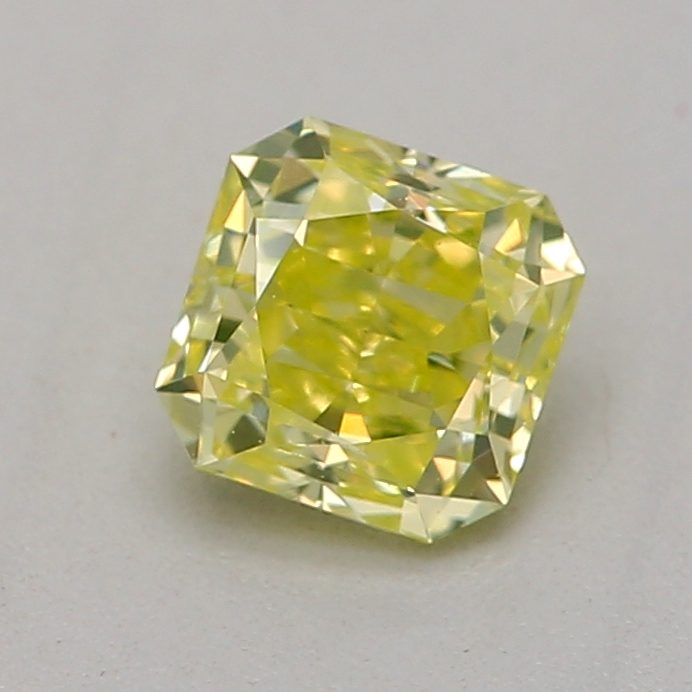
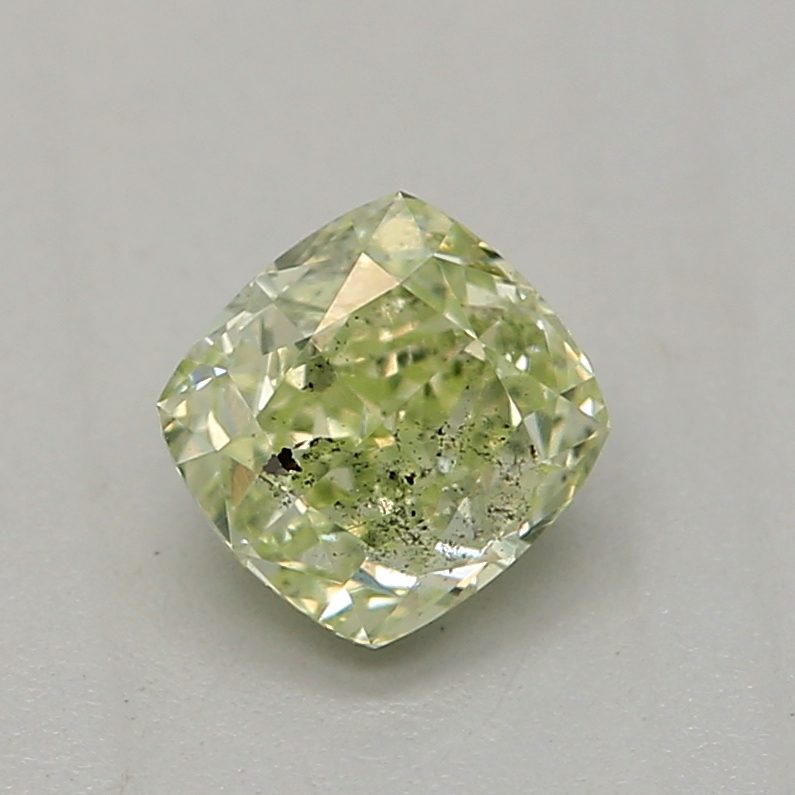
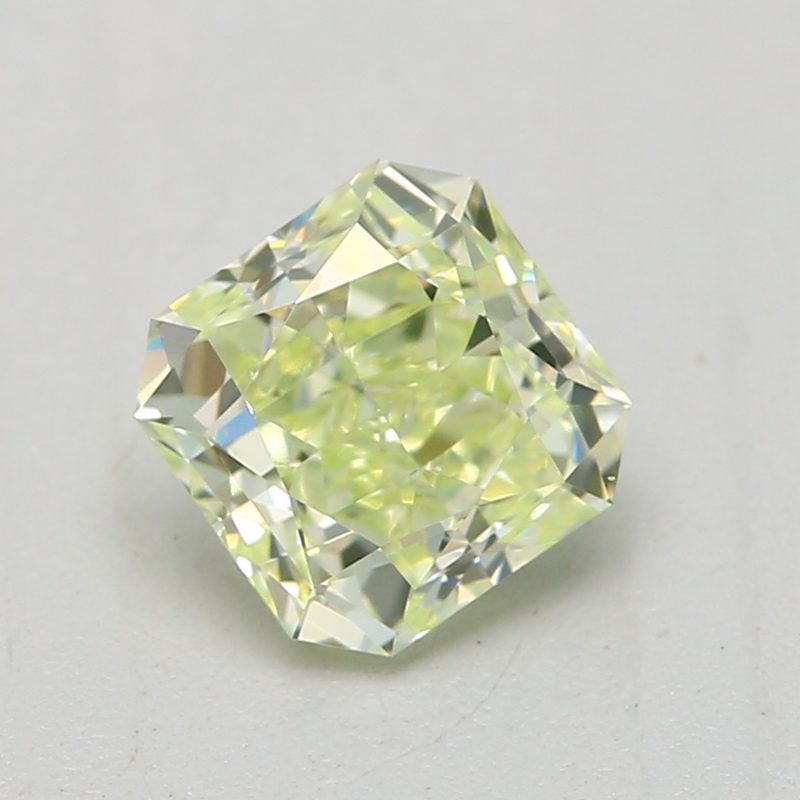
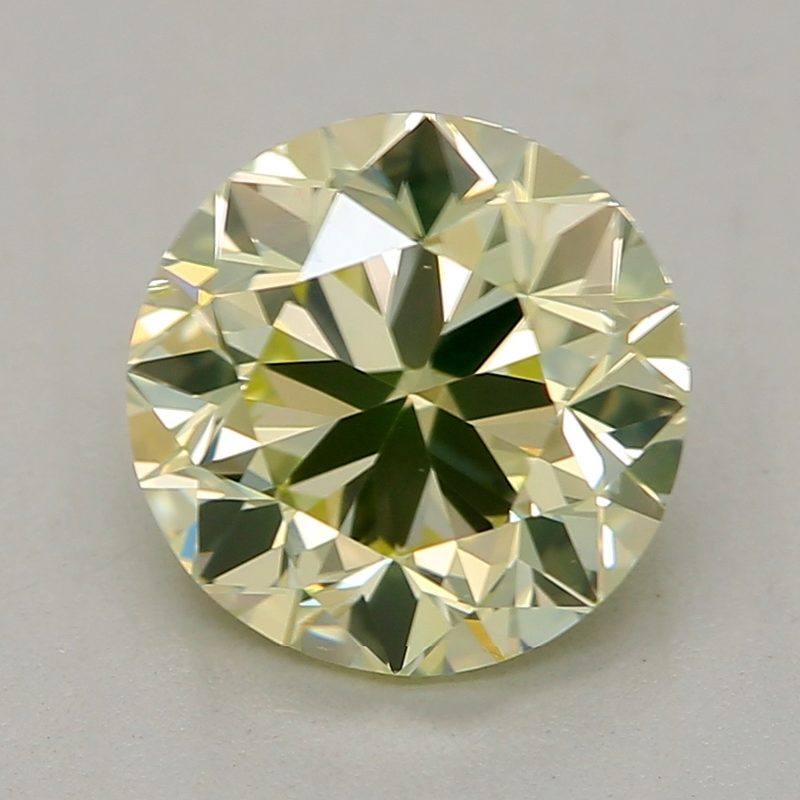
Natural radiation from surrounding rock over millions of years, which displaces carbon atoms in the lattice and makes the stone absorb red light. The effect is usually confined to a thin surface layer, which is why so much green is lost in cutting.
Why are natural green diamonds hard to certify?
Because laboratory irradiation produces a similar result to the natural process. Distinguishing the two requires advanced spectroscopy, and even then a laboratory may decline to state an origin. A green diamond without a natural-origin report should be assumed treated.
What is a chameleon diamond?
A rare stone that temporarily changes color with heat or prolonged darkness, usually shifting between green and yellow. Chameleon is a phenomenon, not a color grade — such a stone still carries a normal graded color alongside the chameleon designation.
Are green diamonds expensive?
Natural greens with certified natural color origin are among the rarest stones in the trade and priced accordingly. Treated greens are a legitimate and far more affordable alternative, provided the treatment is disclosed.
What secondary hues appear in green diamonds?
Yellowish green and bluish green are common; gray and brown modifiers appear frequently and reduce value. A pure green with no modifier is exceptionally rare.
See new stones first
Every stone is photographed and graded before it is listed. Join the list to see them before they reach the shop.
New stones only, no more than once a month. Unsubscribe any time.