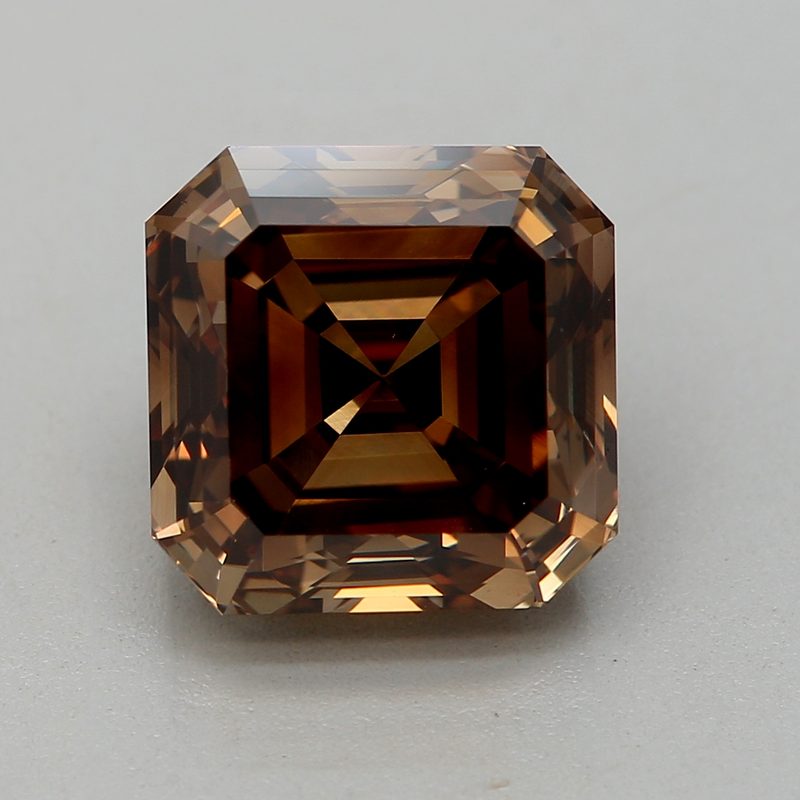
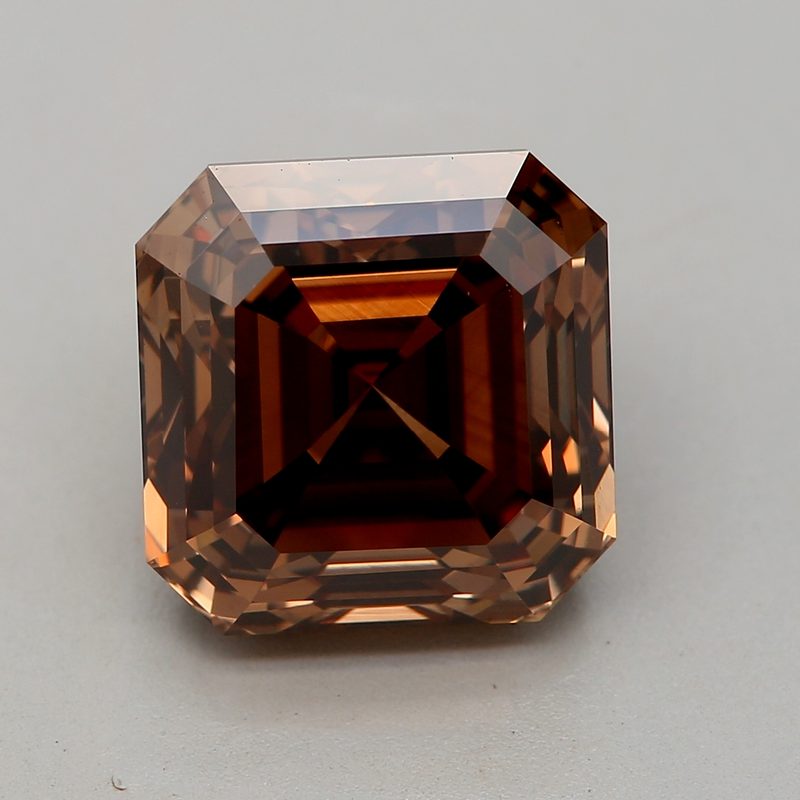
VS1 or better, and this is the rule most buyers get wrong. The step facets are open planes with nothing to break up the view, so an inclusion that a round brilliant would conceal is obvious under an Asscher's table. It is the single most important grade in this shape.
How is an Asscher different from an emerald cut?
The outline. An Asscher is square with deeply cropped corners; an emerald cut is rectangular. Asschers also tend to have more facet rows and a higher crown, which deepens the windmill pattern you see looking down.
What is the windmill effect in an Asscher?
The X-shaped pattern formed by the cropped corners reflecting through the concentric facets. A well-cut Asscher shows it crisply and symmetrically; it is a good quick test of cutting quality.
Does an Asscher show color?
Yes, like all step cuts. Buy a grade higher on color than you would for a round brilliant if you want the stone to read white, particularly in a yellow gold setting.
Are Asscher cuts durable?
Very. The cropped corners remove the fragile points found on a princess cut, making it one of the more robust square shapes for daily wear.
Why are Asschers associated with Art Deco?
The cut was developed in 1902 and became emblematic of the geometric design language of the 1920s and 30s. Original Art Deco pieces and modern Asscher rings share that architectural, symmetrical character.
See new stones first
Every stone is photographed and graded before it is listed. Join the list to see them before they reach the shop.
New stones only, no more than once a month. Unsubscribe any time.