What is the difference between champagne, cognac and chocolate?
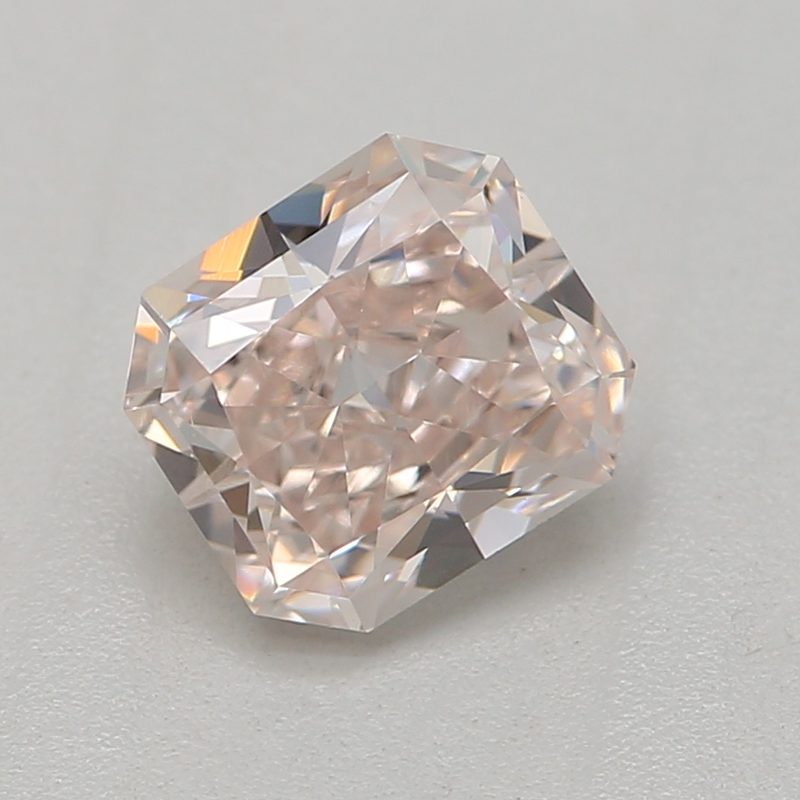
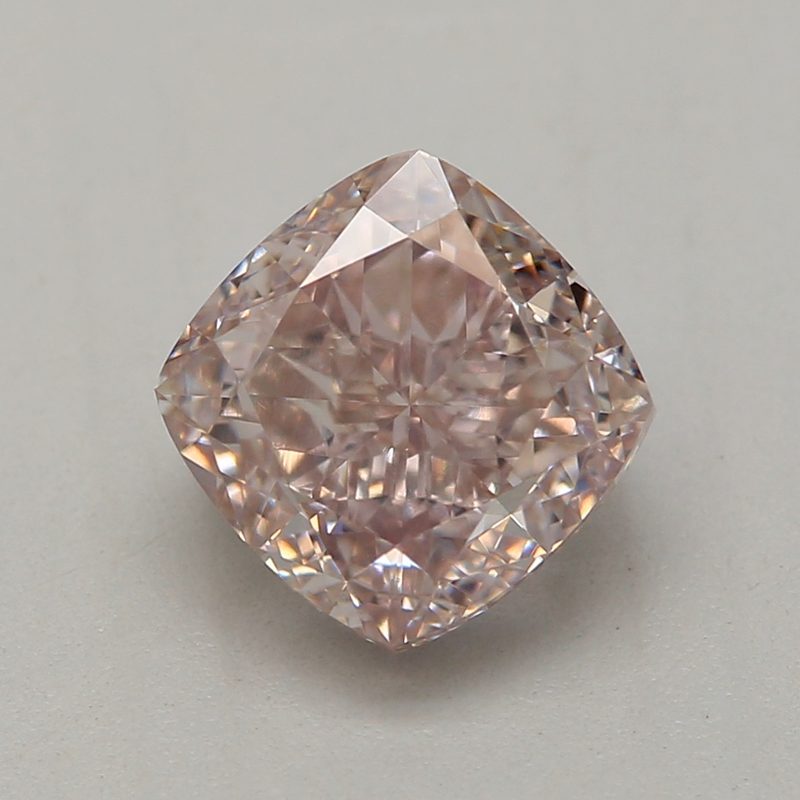
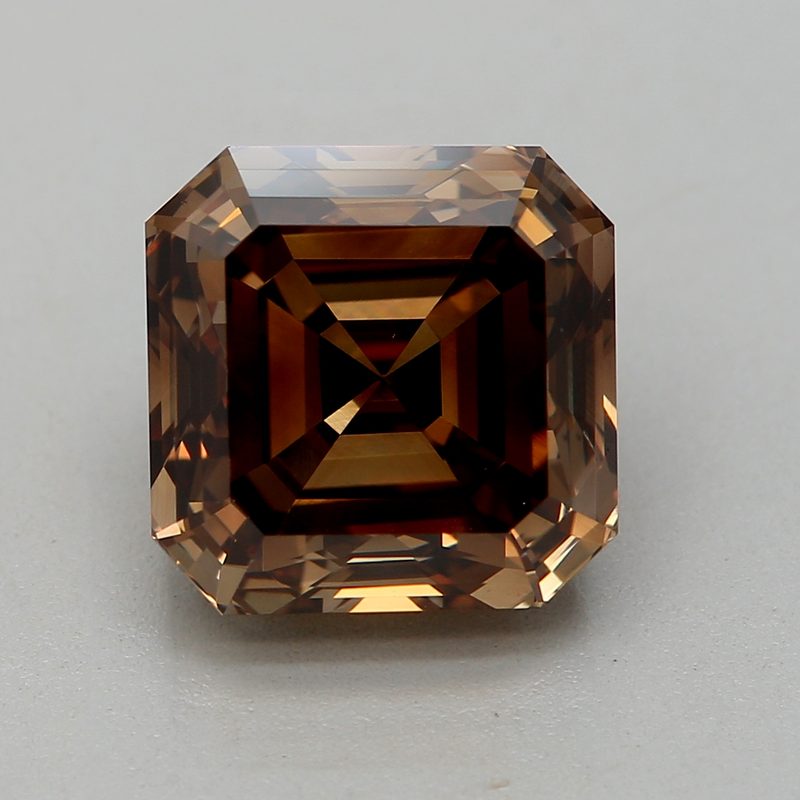
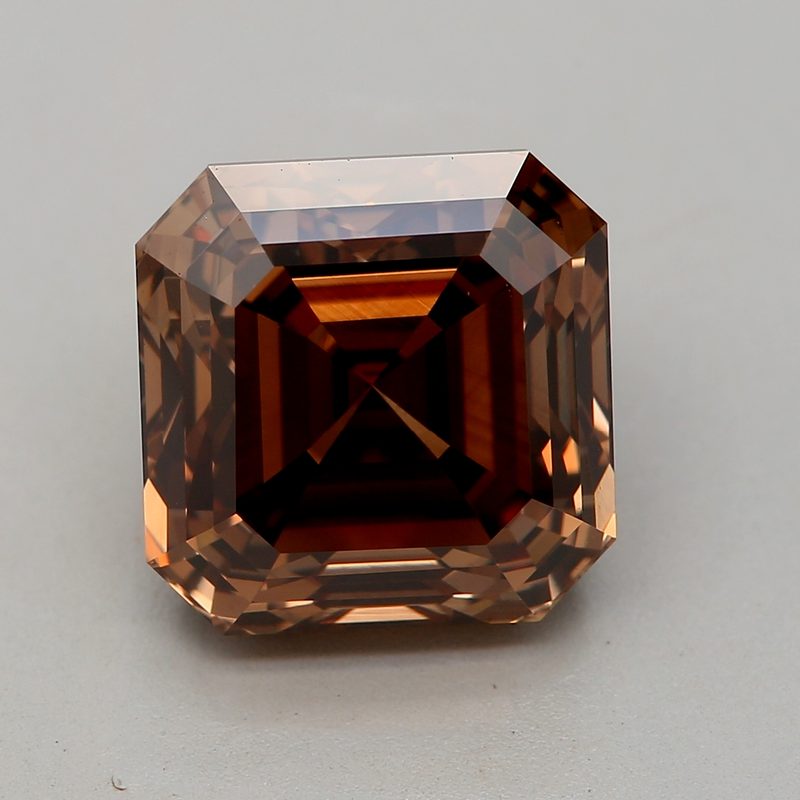
They are marketing terms, not grading terms. Champagne generally means a lighter brown, cognac a deeper reddish brown, and chocolate a dark brown popularised by one retailer. A laboratory report will name the actual color and intensity; ask for it rather than relying on the trade name.
Why are brown diamonds less expensive?
Supply. Brown is by far the most common fancy color, and for much of the twentieth century brown diamonds were treated as industrial material. Their use in jewellery is comparatively recent, and prices reflect availability rather than any deficiency in the stone.
What causes brown color in a diamond?
Plastic deformation of the crystal lattice under pressure, which creates color centres absorbing light across the spectrum. It is a structural cause rather than a chemical impurity.
Do brown diamonds have secondary hues?
Frequently — orangy brown, pinkish brown, yellowish brown and greenish brown all occur. A pinkish brown in particular can be strikingly attractive and costs a fraction of a comparable pink.
Which settings suit brown diamonds?
Rose and yellow gold amplify the warmth and are the most common choice. White metal produces a sharper contrast that makes the brown read as more deliberate and modern.
See new stones first
Every stone is photographed and graded before it is listed. Join the list to see them before they reach the shop.
New stones only, no more than once a month. Unsubscribe any time.